
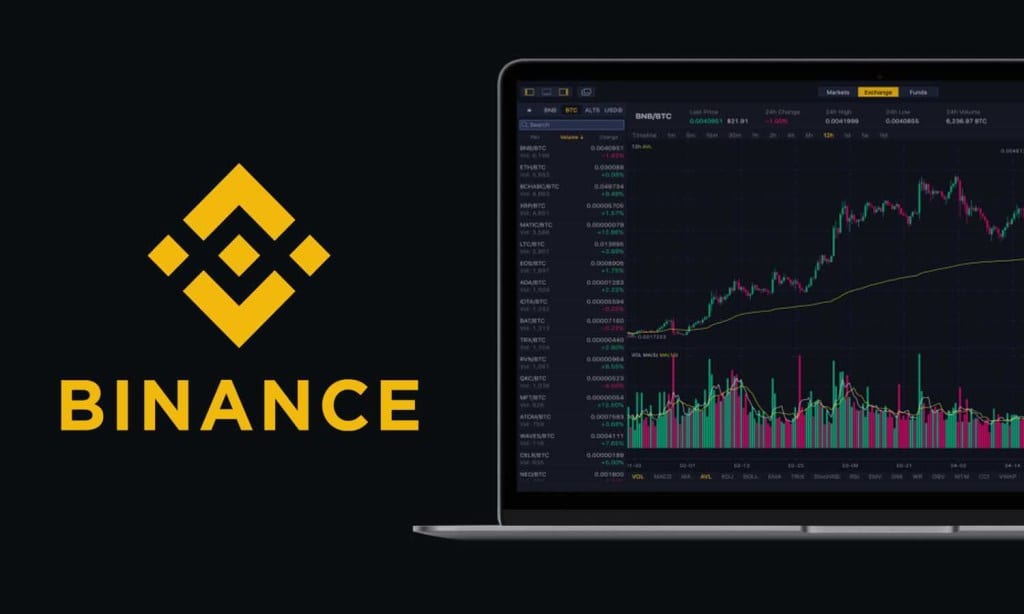
Binance, one of the world’s leading cryptocurrency exchanges, owes much of its success to the robustness and efficiency of its core trading engine. At the heart of Binance’s platform lies this sophisticated system designed to handle vast volumes of transactions with remarkable speed and reliability. Understanding how Binance’s core trading engine operates provides valuable insight into why it remains a preferred choice for millions of traders globally.
The core trading engine is essentially the software responsible for matching buy and sell orders on the exchange. It functions as a highly optimized order matching system that processes incoming trade requests in real-time, ensuring that trades are executed swiftly and accurately. This capability is crucial in the fast-paced crypto market where prices can fluctuate significantly within seconds.
One defining feature of Binance’s trading engine is its ability to handle extremely high throughput. The platform claims it can process up to 1.4 million orders per second, which underscores its scalability during periods of intense market activity or sudden price surges. This performance level reduces latency-the delay between placing an order and executing it-allowing traders to capitalize on market opportunities without frustrating wait times.
The architecture behind this impressive performance involves several key components working together seamlessly. First, there is an efficient order book management system that organizes all active buy and sell orders by price levels. When new orders arrive, they are quickly compared against existing ones to find suitable matches based on price priority and time priority rules-a mechanism known as price-time priority matching.
Moreover, Binance employs advanced algorithms that ensure fairness and transparency in trade execution while minimizing risks such as front-running or order manipulation. These algorithms also support various order types including limit orders, market orders, stop-limit orders, among others-offering flexibility tailored to different trading strategies.
Another important aspect is fault tolerance built into the engine’s design. Given the critical nature of financial transactions, any downtime or errors could lead to significant losses for users and damage trust in the platform. To mitigate this risk, Binance uses redundant systems along with continuous monitoring tools that detect anomalies instantly so corrective actions can be taken without disrupting service continuity.
Security measures also integrate tightly with the core engine infrastructure; encrypted data transmission protocols protect sensitive relevant background information during trades while multi-factor authentication safeguards user accounts from unauthorized access.
In summary, understanding Binance’s core trading engine reveals why it stands out in a crowded marketplace: its combination of high-speed processing power, reliable order matching logic, comprehensive security features, and resilient architecture creates an environment conducive for efficient crypto trading at scale. For anyone involved in digital asset markets-whether retail investors or institutional players-recognizing these technical strengths helps appreciate what fuels Binance’s ongoing dominance as a premier exchange platform worldwide.